

As a supplier of Rocking Power Lift Chairs, I often receive inquiries from customers about how to adjust the tension of the rocking motion in these chairs. In this blog post, I'll share some detailed insights and steps to help you with this adjustment.
Understanding the Importance of Rocking Tension
The rocking function in a Rocking Power Lift Chair adds a great deal of comfort and relaxation. The right tension for the rocking motion can make the difference between a pleasant, smooth rocking experience and one that is either too stiff or too loose. If the tension is too high, you'll find it difficult to rock back and forth, which defeats the purpose of having a rocking chair. On the other hand, if the tension is too low, the chair may rock too freely and might feel unstable.
Different Types of Rocking Power Lift Chairs
Before we delve into the adjustment process, it's important to note that there are various types of Rocking Power Lift Chairs available in the market. We offer a range of options such as the Power Lift Chair with Swivel Base, which combines the benefits of rocking with the ability to swivel. This is great for those who want to change their sitting position easily without getting up.

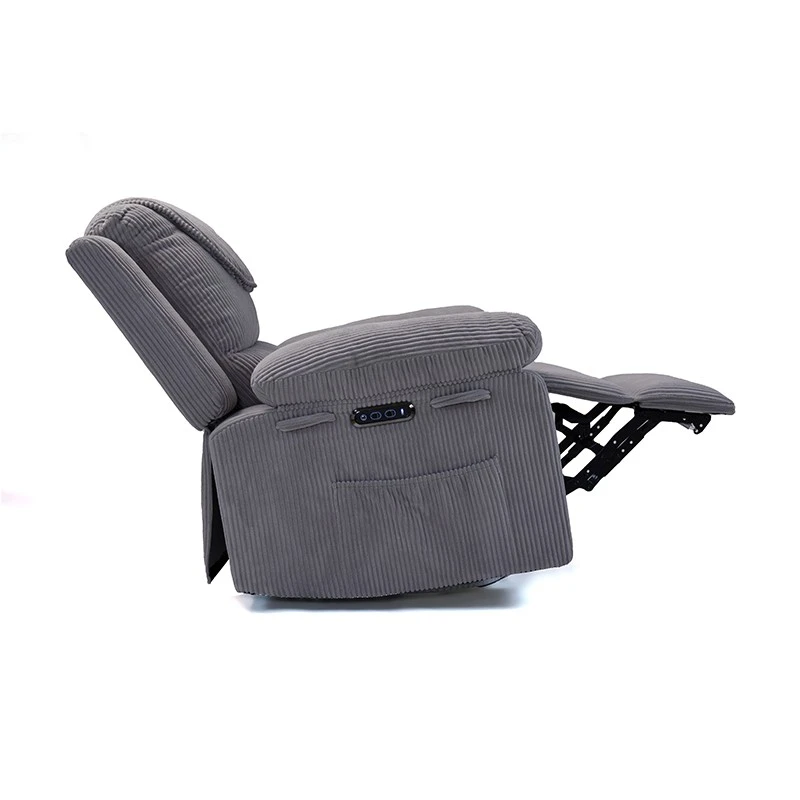
Another popular model is the Power Lift Chair with Lumbar Support. This chair not only provides a comfortable rocking experience but also supports your lower back, reducing the risk of back pain during long periods of sitting.
We also have the Fully Reclining Power Lift Chair, which allows you to fully recline while still being able to enjoy the rocking motion. This is perfect for taking naps or relaxing after a long day.
Tools You'll Need
Most of the time, you won't need any special tools to adjust the tension of the rocking motion in a Rocking Power Lift Chair. However, it's a good idea to have a basic toolkit on hand, including a screwdriver (both flathead and Phillips head) and possibly a wrench. This will ensure that you're prepared for any type of adjustment mechanism your chair might have.
Step-by-Step Guide to Adjusting the Rocking Tension
- Locate the Adjustment Mechanism
- The first step is to find where the adjustment mechanism is located on your chair. In many Rocking Power Lift Chairs, this can be found underneath the seat. Some chairs may have a visible screw or knob that you can turn to adjust the tension. Others might have a more hidden mechanism, so you may need to look closely or refer to the chair's user manual.
- Test the Current Tension
- Before making any adjustments, sit in the chair and rock back and forth to get a feel for the current tension. Notice if it's too easy or too difficult to rock. This will give you a baseline for how much adjustment you need to make.
- Make Small Adjustments
- If you find that the rocking is too loose, you'll want to increase the tension. Using the appropriate tool (usually a screwdriver or a wrench), turn the adjustment screw or knob in a clockwise direction. Make small adjustments at a time, as it's easier to fine - tune the tension this way.
- Conversely, if the rocking is too stiff, turn the adjustment screw or knob counter - clockwise. Again, make small adjustments and test the rocking motion after each one.
- Test the Rocking Motion Regularly
- After each adjustment, sit in the chair and rock back and forth to see if the tension feels right. You may need to make several small adjustments before you achieve the perfect tension. Take your time and be patient during this process.
- Secure the Adjustment
- Once you've found the ideal tension, make sure to secure the adjustment mechanism. Some chairs may have a locking feature to prevent the adjustment from changing accidentally. If your chair has this feature, engage it to keep the tension stable.
Troubleshooting Tips
- If the Adjustment Doesn't Seem to Work
- Sometimes, the adjustment mechanism may be damaged or worn out. Check for any visible signs of damage, such as a stripped screw or a broken part. If you suspect a problem, it's best to contact the manufacturer or a professional repair service.
- Uneven Rocking
- If you notice that the chair rocks unevenly, it could be due to an issue with the chair's base or the adjustment mechanism. First, check to make sure the chair is sitting on a level surface. If the problem persists, you may need to adjust the tension on each side of the chair separately or have the chair inspected for other issues.
Maintaining the Rocking Tension
Once you've adjusted the rocking tension to your liking, it's important to maintain it. Regularly check the adjustment mechanism for any signs of loosening or wear. You can also clean the rocking parts of the chair to ensure smooth operation. Use a mild cleaning solution and a soft cloth to wipe down the areas where the chair rocks.
Conclusion
Adjusting the tension of the rocking motion in a Rocking Power Lift Chair is a relatively simple process that can greatly enhance your comfort and enjoyment. By following the steps outlined in this blog post, you can easily fine - tune the tension to suit your preferences.
If you're interested in purchasing a Rocking Power Lift Chair or have any further questions about our products, we invite you to contact us for a detailed discussion. Our team of experts is ready to assist you in finding the perfect chair for your needs and ensuring that you have a seamless experience with your purchase.
References
- Manufacturer's user manuals for Rocking Power Lift Chairs.
- Industry standards and best practices for chair adjustment and maintenance.